
How digital marketing agencies measure campaign success
1st Nov, 2026
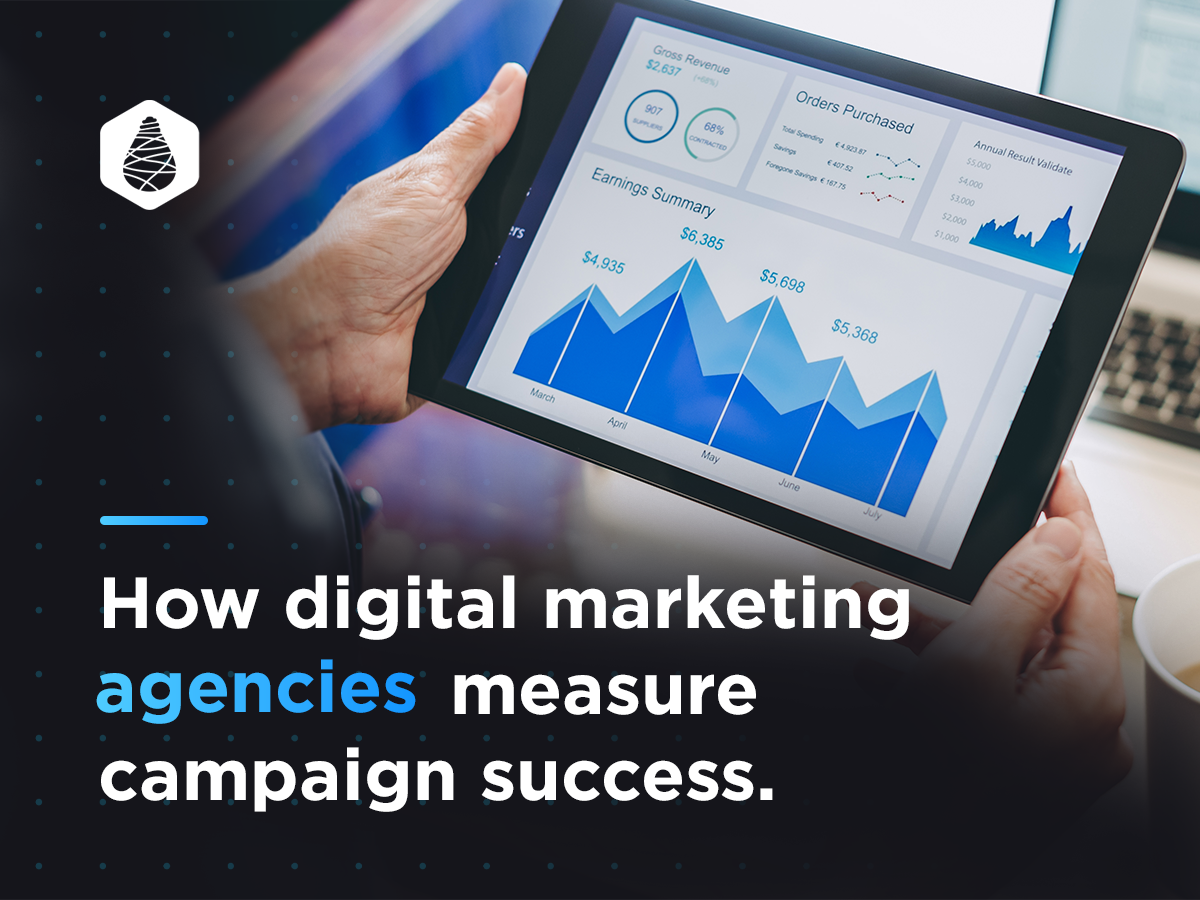
Digital marketing agencies are often judged by results, but the real question is which results matter. A campaign can generate clicks, impressions and reach, yet still fail to produce quality leads or meaningful business growth. For marketing managers, CEOs, CMOs and directors, this is where measurement needs to move beyond surface-level reporting.
The best Digital Marketing Agencies do not measure campaign success by activity alone. They look at the full journey, from visibility and engagement to lead quality, conversion, sales opportunity and return on marketing investment. In other words, they measure what actually helps the business make better decisions.
Campaign success is not only about asking, did the campaign perform? It is about asking, did the campaign support the business objective?
Why campaign measurement matters
Digital marketing has become more measurable than ever, but that does not always mean businesses are measuring the right things. Many reports include large numbers that look impressive, but do not show whether marketing is helping the sales pipeline.
For example, a campaign may achieve thousands of impressions, hundreds of clicks and a lower cost per click. That sounds positive. However, if the enquiries are poor quality or the sales team cannot convert them, the campaign has not delivered enough value.
Good measurement helps business leaders understand what is working, what needs to change and where budget should be focused next. It also helps marketing teams improve campaigns with purpose instead of guessing.
The difference between activity metrics and performance KPIs
Not all metrics carry the same weight. Some show activity. Others show performance.
Activity metrics include reach, impressions, likes, views, clicks and engagement. These numbers can be useful, especially for awareness campaigns, but they do not prove business impact on their own.
Performance KPIs show whether the activity is moving the business closer to its goal. These include conversion rate, cost per lead, qualified lead rate, cost per qualified lead, sales opportunity rate and return on marketing investment.
A strong agency should explain the difference. Activity metrics help diagnose movement. Performance KPIs help leadership evaluate value.
A KPI tree approach to campaign measurement
A KPI tree is a practical way to connect marketing activity to business outcomes. Instead of reporting every number separately, the KPI tree shows how each metric supports the next stage of growth.
At the top of the tree sits the business goal. This may be revenue growth, market expansion, new customer acquisition or improved lead quality.
Below that sits the marketing objective. This may be awareness, lead generation, ecommerce sales, customer retention or improved conversion.
Below that are the channel KPIs. These may include SEO traffic, paid media conversions, social engagement, email response rates or landing page performance.
At the base are the diagnostic metrics. These help explain why performance is improving or declining. Examples include click-through rate, bounce rate, form completion rate, search term quality and ad relevance.
This approach helps decision-makers see the full picture. It keeps the focus on business outcomes while still using lower-level data to improve performance.
Awareness KPIs: Measuring visibility with purpose
Awareness campaigns are designed to get the right people to notice the brand. This may involve social media, video, display campaigns, SEO content or broader brand messaging.
Useful awareness KPIs include reach, impressions, video views, engagement rate, branded search growth and website traffic from new users. These metrics show whether your audience is being exposed to your brand.
However, awareness should not be measured in isolation. A business should also look at whether awareness activity is supporting future demand.
-
Are more people searching for the brand?
-
Are more users visiting key service pages?
-
Are remarketing audiences growing?
-
Are decision makers engaging with educational content?
Good Digital Marketing Agencies use awareness KPIs to build the top of the funnel, not to hide behind vanity numbers.
Lead generation KPIs: Measuring enquiry quality
Lead generation is one of the most common campaign goals, but it is also one of the most misunderstood. More leads are not always better. Better leads are better.
Important lead generation KPIs include total leads, cost per lead, conversion rate, form completion rate, source of enquiry and lead quality. A business should also measure how many leads match the ideal customer profile.
For B2B companies, this may include job title, company size, industry, location, budget readiness and urgency. For local service businesses, it may include service area, enquiry type, customer need and intent level.
A campaign that produces fewer but stronger leads may be more valuable than a campaign that produces high volume and poor fit. This is why the KPI tree should separate lead volume from lead quality.
Conversion KPIs: Measuring the website and landing page journey
Digital campaigns do not work in isolation. A person may click an ad, open a social post or find a business through Google, but the website still needs to convert that interest into action.
Conversion KPIs include landing page conversion rate, enquiry rate, click-to-call rate, form submission rate, page engagement and drop-off points. These KPIs show whether the campaign journey is working after the click.
If traffic is strong but conversions are weak, the issue may not be the campaign. It may be the landing page, offer, copy, load speed, form length or lack of trust signals.
This is where a strong digital marketing strategy becomes important. The strategy should connect audience intent, campaign message, landing page content and the call-to-action into one clear journey.
Sales and CRM KPIs: Measuring what happens after the lead
One of the biggest gaps in campaign reporting is what happens after a lead enters the business. Many agencies report that a campaign generated leads, but leadership still does not know whether those leads became real sales opportunities.
This is where a measurement layer such as Bitrix can support better visibility. Without getting overly technical, the goal is to help the business track where leads came from, how they were handled and whether they moved into meaningful sales conversations.
Useful post-lead KPIs include contact rate, response time, qualified lead rate, sales opportunity rate, proposal rate, close rate and lost reason. These metrics help businesses understand whether the problem sits in marketing, sales follow-up, or lead fit.
For example, if campaign leads are relevant but response time is slow, the campaign may not be the issue. If the sales team responds quickly but most enquiries are poor fit, targeting and messaging may need adjustment.
Cost KPIs: Measuring efficiency without losing quality
Cost matters, but it should never be measured without context. A low cost per lead may look attractive, but if the leads do not convert, the campaign is not efficient.
Important cost KPIs include cost per click, cost per lead, cost per qualified lead, cost per opportunity and return on marketing investment.
Cost per qualified lead is often more useful than cost per lead because it considers quality. A campaign that generates R100 leads with poor fit may be less valuable than a campaign that generates R400 leads that become real opportunities.
The goal is not always to reduce cost at any price. The goal is to improve value.
SEO KPIs: Measuring long-term visibility and intent
SEO is not only about keyword rankings. It is about helping the business appear for relevant searches and turning organic visibility into meaningful action.
Important SEO KPIs include organic traffic, keyword visibility, ranking movement, top landing pages, click-through rate from search results, enquiries from organic traffic and local search visibility.
For SEO reporting to be useful, it should connect search visibility to customer intent. Ranking for the wrong keyword does not help the business. Ranking for high-intent service terms, location searches and decision-stage queries is far more valuable.
SEO should also be measured over time. Organic growth is usually built through consistent technical improvement, content quality, page optimisation and authority development.
Reporting should answer four leadership questions
A strong campaign report should not simply present numbers. It should help leadership understand performance quickly.
Every report should answer four practical questions:
-
What happened?
-
Why did it happen?
-
What does it mean for the business?
-
What should happen next?
This is where many reports fall short. They show the data, but do not interpret it. A reliable agency should provide insight, not only dashboards.
A report should explain what improved, what declined, what actions were taken and what will be optimised next. It should also separate short-term fluctuations from meaningful trends.
Why KPI measurement should start with a Digital Health Audit
Before improving campaign measurement, a business needs to understand its current digital setup.
-
Are the right conversions being tracked?
-
Is the website built to convert?
-
Are leads being captured properly?
-
Is campaign data connected to sales feedback?
-
Are the right KPIs being reviewed?
A Digital Health Audit helps identify these gaps before more budget is spent. It gives decision-makers a clearer view of what is working, where performance is being lost and which parts of the marketing system need attention.
This is especially valuable for businesses that feel they are spending money on digital marketing but cannot clearly prove what it is producing.
Choosing an agency that measures what matters
When comparing Digital Marketing Agencies, ask how they measure campaign success. Ask which KPIs they prioritise, how they define lead quality and how reporting connects to business goals.
A strong agency should be able to explain the KPI tree, the measurement process and how campaign data will be used to improve performance. It should also be honest about what can be measured immediately and what may need a stronger tracking or CRM setup.
Ideation Digital’s digital marketing agency approach is built around strategy, integrated execution and measurement that connects to real business outcomes. For businesses needing the right level of ongoing support, the Digital packages hub helps clarify how digital marketing investment can be structured around different growth needs.
The best KPIs are the ones that guide better decisions
Campaign success should never be measured by the biggest number on the report. It should be measured by the numbers that show whether marketing is supporting business growth.
The KPIs that matter include visibility, engagement, conversions, lead quality, cost efficiency, sales opportunity and return on marketing investment. When these are connected through a KPI tree, business leaders can see the full journey from campaign activity to commercial value.
If your current reporting feels unclear, disconnected or too focused on surface-level metrics, Ideation Digital can help you build a stronger measurement approach. Start with a Digital Health Audit, explore a focused digital marketing strategy or review our digital packages to find the right support structure.
Speak to Ideation Digital today and turn campaign reporting into a clearer, smarter and more accountable growth tool.